Jewellery Brand Strategy: Connecting Tradition with Modern Buyer Expectations
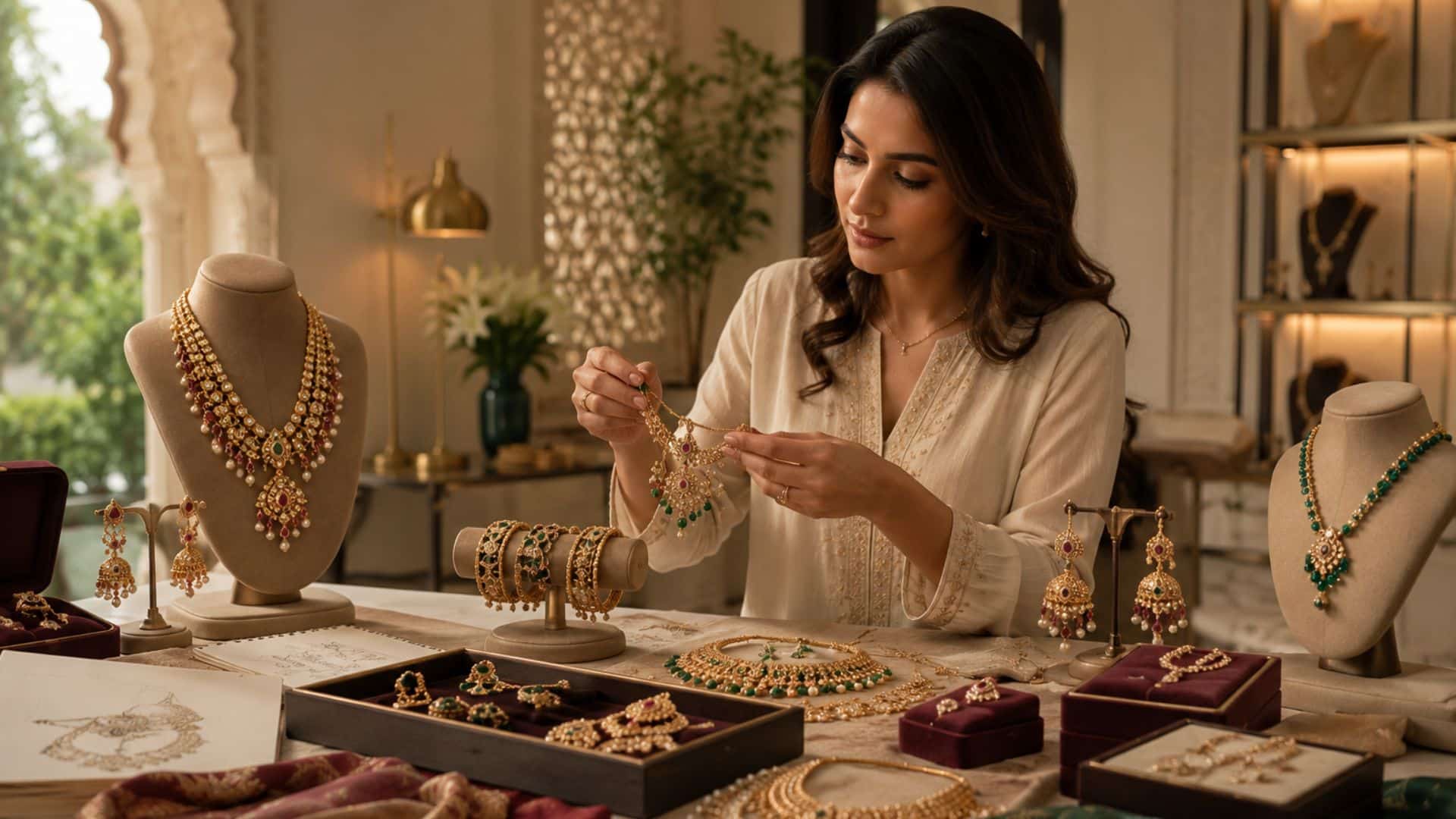
A jewellery brand rooted in culture carries more than products. It carries memories, family rituals, regional craftsmanship and personal meaning. Modern buyers still value that depth, but they also expect jewellery to feel wearable, relevant and easy to understand. The challenge is not to replace tradition with trend. It is to present heritage in a way that respects its origins while fitting contemporary lives.
For cultural jewellery designers and premium South Asian bridal businesses, this balance can become a major point of difference. Buyers are often looking for pieces that honour an important ceremony or relationship without feeling limited to one occasion. A clear brand strategy can show how craftsmanship, symbolism and modern design belong together.
A refined jewellery brand should therefore communicate both emotional meaning and practical value. It should explain the story behind the piece, show how it can be styled and give buyers confidence in quality, service and authenticity.
How a Jewellery Brand Can Balance Heritage and Modernity
Tradition gives a brand emotional depth, while modern presentation makes that depth accessible. Buyers may appreciate cultural symbolism, but they still want clear product photography, transparent information, considered packaging and a smooth purchasing experience.
The strongest approach begins by identifying what must remain unchanged. This may include a symbolic motif, a traditional stone, a ceremonial purpose or a craft technique passed through generations. These elements form the cultural foundation of the collection.
The modern layer can then appear through proportion, finish, styling and communication. A traditional necklace may be refined for everyday wear. A bridal piece may be shown with both wedding clothing and contemporary tailoring. This allows a jewellery brand to evolve without treating heritage as a temporary aesthetic.
Cultural relevance also requires accuracy. Avoid using sacred details as decoration without explanation. Work with designers, craftspeople and community knowledge to ensure that product descriptions and campaigns reflect the meaning of each piece responsibly.
Meeting Modern Buyer Expectations
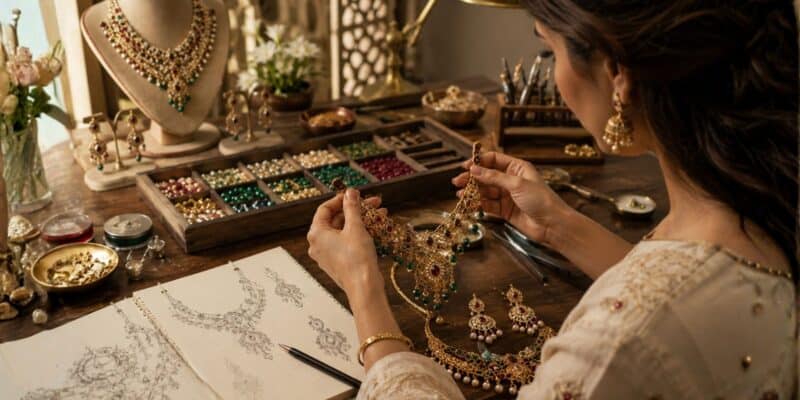
Modern jewellery buyers often research before they enquire or purchase. They compare materials, craftsmanship, customisation, delivery, returns and aftercare. Premium presentation may create interest, but clear information builds confidence.
Product pages should explain metal purity, stone details, sizing, production time and care requirements in language that is easy to follow. Bespoke services should outline the process from consultation to final approval. Bridal clients may also want to know whether a design can be adapted for different outfits or worn after the wedding.
A jewellery brand can meet these expectations without losing its sense of luxury. Clarity does not make a premium product feel ordinary. It reduces uncertainty and allows the buyer to focus on the design, meaning and emotional value.
Accessibility matters as well. Mobile-friendly pages, clear enquiry routes and responsive communication are now part of the brand experience. When the buying journey feels considered, the product feels more trustworthy.
Build Luxury Brand Storytelling Around Specific Details
Luxury brand storytelling works best when it gives the buyer something specific to remember. General phrases about elegance and timelessness are rarely enough. A stronger story explains who designed the piece, what influenced its form, how it was made and why its symbolism matters.
This does not mean every caption needs a long history lesson. Storytelling can be layered. A campaign image might introduce the emotion, a product page might explain the design details and a journal article might explore the cultural context in greater depth.
Visual consistency is equally important. Photography, typography, packaging and tone of voice should all support the same position. A jewellery brand that presents itself as refined and culturally informed should avoid switching between luxury imagery, generic sales graphics and trend-led language without a clear reason.
A specialist digital marketing agency can help translate these stories into campaigns, social content and landing pages while keeping the brand message consistent across channels.
Make Heritage Jewellery Feel Relevant and Wearable
Modern heritage jewellery becomes more relevant when buyers can imagine wearing it. This is particularly important for younger clients who may value tradition but want flexibility.
Show the same piece across different settings. A ceremonial necklace can appear with bridal clothing, an evening dress and a tailored daytime look. Earrings can be styled for a wedding event and then shown as part of a simpler wardrobe. This approach does not reduce their cultural importance. It demonstrates longevity.
Contemporary bridal jewellery should also reflect the variety of modern celebrations. Some clients plan several events, combine cultural traditions or choose smaller ceremonies. Collections and bespoke consultations should make space for these different needs rather than assuming one standard bridal journey.
A thoughtfully designed modern mangalsutra is a clear example of how a meaningful cultural symbol can be expressed through refined proportions, contemporary diamond settings and a design intended for regular wear.
Use Digital Content to Support the Buying Journey
Digital content should help buyers understand both the product and the brand. Educational posts can explain symbolism, materials, craftsmanship and care. Styling content can demonstrate versatility. Behind-the-scenes material can show the time, precision and people involved in making each piece.
The objective is not to publish constantly. It is to create a recognisable body of content that supports the buying decision. Each post should have a purpose, such as building awareness, answering a concern, showing quality or encouraging a consultation.
Paid campaigns can then amplify the strongest messages. A digital marketing agency can support audience planning, creative direction and campaign structure, particularly when a brand needs to reach bridal clients, gift buyers or culturally connected audiences across different locations.
Measure more than likes. Product page visits, consultation requests, saved posts, returning visitors and completed purchases offer a clearer view of commercial interest. A jewellery brand should use these signals to refine its message without allowing short-term platform trends to control its identity.
Build a Brand That Feels Meaningful and Modern
Begin by defining three brand pillars. One should express cultural meaning, one should explain design quality and one should reflect the modern customer experience. Every campaign should support at least one of these pillars.
Next, review the language used across product pages and social media. Replace vague luxury claims with specific details about materials, craftsmanship, symbolism and customisation. Make sure cultural terms are explained respectfully rather than simplified for effect.
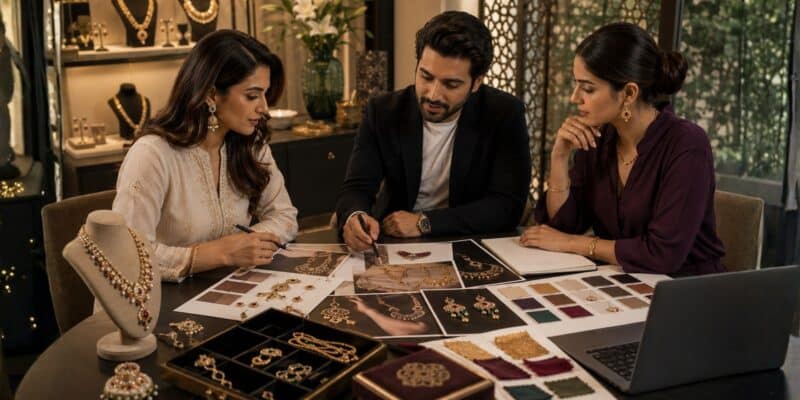
Build a visual system that allows heritage and modernity to coexist. Use close product details to show craft, wider editorial images to show styling and quiet consultation scenes to communicate service. Keep colour, lighting and composition consistent enough to make the brand recognisable.
Finally, map the customer journey from first discovery to purchase. Check whether the buyer can understand the collection, compare options, ask a question and book a consultation without unnecessary friction. A strong jewellery brand connects emotional storytelling with practical reassurance.
Common Mistakes in Cultural Jewellery Branding
One common mistake is treating cultural identity as a visual trend. Heritage should shape the product story, not become a decorative theme added for a campaign.
Another mistake is relying only on bridal imagery. Bridal content is important, but showing everyday and occasion styling can help buyers understand the long-term value of a piece.
Brands can also lose trust by using vague claims about quality. Explain what makes the materials, production and service premium. Specific information feels more credible than repeated words such as exclusive or luxurious.
Finally, avoid chasing every social trend. A culturally rooted business needs a recognisable point of view. Trends can influence presentation, but they should not replace the brand’s values.
Carrying Heritage Confidently into the Future
The most compelling jewellery businesses do not ask buyers to choose between heritage and modern life. They show how the two can strengthen one another.
A jewellery brand can preserve symbolism, craftsmanship and family meaning while offering contemporary design, personalisation and an easy buying experience. That combination gives cultural jewellery branding both emotional relevance and commercial strength.
When the story is accurate, the visuals are refined and the customer journey is clear, tradition becomes something buyers can carry forward rather than something they only admire from a distance.
FAQ
How can a cultural jewellery brand remain authentic?
A cultural jewellery brand should explain symbolism clearly, use accurate language, acknowledge craftsmanship and avoid turning sacred or community-specific details into decorative trends. Consultation with knowledgeable designers and craftspeople can strengthen authenticity.
What do modern jewellery buyers expect from premium brands?
Modern buyers often look for meaningful design, wearable proportions, quality materials, personalisation and a reliable purchasing experience. They also value clear information about production, sizing, delivery and aftercare.
Can cultural jewellery be designed for everyday wear?
Yes. Cultural jewellery can be styled for bridal events, celebrations and everyday wear when the design and proportions allow it. Showing different styling contexts helps buyers understand versatility without reducing cultural meaning.
Why is storytelling important for a jewellery business?
Storytelling gives buyers context. It can explain the origin, symbolism, craft and personal meaning behind a piece, helping the product feel distinctive rather than interchangeable with generic luxury jewellery.
How can digital marketing support a cultural jewellery business?
Digital marketing can help cultural jewellery brands reach relevant audiences, educate buyers, demonstrate styling and generate consultation enquiries. The strategy should remain consistent with the brand’s cultural values and premium positioning.