Top Influencer Marketing Trends You Can’t Ignore in 2026
Influencer marketing has become a popular way for UK businesses to reach new audiences, build trust and promote products in a more personal way. From fashion and beauty to jewellery, hospitality and lifestyle brands, businesses of all sizes are working with influencers to create engaging content for social media. However, one of the first questions businesses ask is about the influencer marketing cost UK brands should expect to pay. The answer depends on several factors, including the influencer’s audience size, engagement rate, platform, content requirements and campaign duration. Understanding these factors can help businesses create a realistic budget and choose creators who can deliver genuine value.
Influencer marketing continues to change quickly, and 2026 is bringing a more thoughtful approach to how brands connect with audiences. Consumers no longer respond to polished promotions alone. Instead, they want genuine recommendations, useful content and creators who understand their interests. As a result, businesses need to keep up with the latest Influencer Marketing Trends to remain competitive.
From smaller creators to artificial intelligence, several developments are shaping the industry this year. Moreover, brands are becoming more focused on measurable results rather than simply counting likes and followers. Whether you run a jewellery business, fashion brand or local company, understanding these changes can help you create campaigns that feel relevant and deliver stronger results.
1. Micro and Nano Influencers Are Becoming More Valuable
One of the biggest Influencer Marketing Trends in 2026 is the growing importance of micro and nano influencers. These creators usually have smaller audiences, but their followers often trust their recommendations more because their content feels personal and relatable.
For example, a local jewellery business may achieve better engagement by working with several smaller creators who genuinely enjoy jewellery than by partnering with one celebrity. Their audiences are often highly specific, which can make campaigns more relevant.
Furthermore, smaller creators can encourage meaningful conversations around products. They can answer questions, share personal experiences and create content that feels natural rather than heavily promotional. Therefore, brands are increasingly choosing quality of engagement over audience size.
2. Authentic Content Matters More Than Perfect Content
Consumers have become increasingly aware of highly edited advertising. Consequently, authentic influencer content is becoming a major priority for brands in 2026. Creators who show products naturally within their everyday lives can often build stronger connections with their audiences.
This does not mean professional content has disappeared. Instead, brands are finding a balance between quality and authenticity. A creator might show how they style a necklace, prepare for an event or choose a gift while naturally mentioning the brand.
Moreover, audiences appreciate honesty. Creators who explain what they genuinely like about a product can appear more trustworthy than those who simply deliver a scripted sales message. As a result, brands should give creators enough freedom to communicate in their own voice.
3. AI Is Changing Influencer Campaigns
Artificial intelligence is another major force behind Influencer Marketing Trends in 2026. Brands can now use AI to analyse audience behaviour, identify suitable creators, study campaign performance and discover content opportunities.
However, AI should support human creativity rather than replace it. Influencer marketing depends heavily on personality, storytelling and emotional connection, which technology cannot fully replicate.
For instance, AI can help a brand identify creators whose audiences match its target market. It can also highlight which content formats receive the strongest engagement. Therefore, marketing teams can make more informed decisions while creators continue to provide the human element.
As AI becomes more advanced, businesses that combine data driven insights with authentic storytelling are likely to gain an advantage.
4. Video Continues to Lead
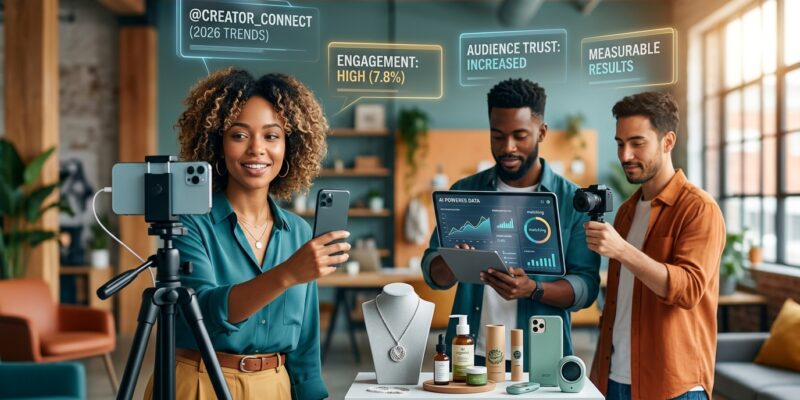
Short form video remains one of the most effective formats for influencer campaigns. Platforms such as TikTok, Instagram and YouTube continue to give creators opportunities to capture attention through entertaining and informative videos.
However, successful video content does not always require expensive production. Simple product demonstrations, styling ideas, behind the scenes footage and personal recommendations can perform strongly when they provide genuine value.
In addition, creators are experimenting with longer videos that offer deeper reviews and explanations. This gives audiences more information before they make purchasing decisions. Therefore, brands should consider using different video formats rather than relying on one type of content.
A strong campaign can combine short videos for awareness with longer content for education and consideration.
5. Social Commerce Is Becoming More Important
Influencer marketing and online shopping are becoming increasingly connected. Instead of discovering a product through an influencer and searching for it separately, consumers can increasingly move from content to purchase with fewer steps.
This development makes social commerce an important part of Influencer Marketing Trends in 2026. Creators can showcase products, explain their benefits and direct interested audiences towards shopping options.
For jewellery brands, this can be particularly useful. A creator can demonstrate how a piece looks with different outfits while explaining its design and suitability for occasions such as weddings or anniversaries.
Furthermore, businesses can track how influencer content contributes to website visits, enquiries and sales. This makes it easier to understand which partnerships create genuine commercial value.
6. Long Term Creator Partnerships Are Winning
Brands are moving away from one off influencer promotions and towards longer relationships. This approach allows creators to become more familiar with a brand, its products and its values.
As a result, their recommendations can feel more natural. Audiences also see the same creator discussing a brand over time, which can strengthen recognition and trust.
For example, a jewellery company could work with a creator across several seasonal campaigns rather than asking for one promotional post. The creator could introduce new collections, share styling ideas and highlight special occasions throughout the year.
Similarly, a local business working with a digital marketing agency can develop a consistent influencer strategy instead of treating every campaign as a separate activity. This creates more opportunities to build a recognisable brand presence.
7. Influencer Marketing Is Becoming More Local

Local influencer marketing is another trend businesses should not overlook. Brands are increasingly working with creators who have strong communities within particular cities, regions or interest groups.
This can be especially valuable for businesses that depend on local customers. A creator with a highly engaged audience in Southall, for example, may generate more useful attention for a local jewellery shop than a creator with a much larger but geographically scattered following.
For this reason, businesses searching for the best Southhall Jewellers can benefit from influencer content that highlights local expertise, customer experiences and product collections. Likewise, collaborations involving Ramesh Jewellers Southhall can use local creators to build stronger community awareness.
Local campaigns can also feel more personal because creators understand the culture, preferences and conversations of their audience.
8. Performance Data Is Taking Centre Stage
Influencer marketing is becoming increasingly measurable. Brands now want to understand what happens after an influencer publishes content, rather than focusing only on likes and comments.
Metrics such as website traffic, engagement quality, enquiries, conversions and sales can provide a clearer picture of campaign performance. Therefore, brands should establish measurable objectives before launching a campaign.
For example, one campaign might focus on increasing awareness, while another aims to generate website visits or product enquiries. Each objective requires different measurements.
Moreover, tracking performance helps businesses identify their strongest creator partnerships. If a smaller creator consistently generates valuable traffic and engagement, the brand can consider expanding that relationship.
9. Community Building Is More Important Than Follower Counts
Influencer marketing is increasingly about communities rather than numbers. A creator with a smaller audience can sometimes influence purchasing decisions more effectively because their followers actively participate in discussions.
Consequently, brands should examine the quality of a creator’s community before making a partnership decision. Comments, conversations and audience relevance can reveal more than follower numbers alone.
This shift also creates opportunities for niche businesses. A specialist jewellery company, for instance, can work with creators who focus on weddings, fashion, gifting or cultural celebrations.
When creators and brands share similar audiences, campaigns can feel more relevant. Therefore, businesses should prioritise audience alignment and genuine engagement when selecting influencers.
10. Influencer Marketing Is Becoming More Strategic
Ultimately, Influencer Marketing Trends in 2026 point towards a more strategic industry. Brands are becoming more selective about creators, platforms, content formats and campaign objectives.
The strongest campaigns combine authentic storytelling with clear commercial goals. They also use data to improve future decisions without losing the human connection that makes influencer marketing effective.
For example, a digital marketing agency can help businesses assess creator suitability, develop campaign strategies and measure results. Meanwhile, local brands can use community focused partnerships to increase awareness and build trust.
For businesses looking for the best Southhall Jewellers, influencer content can also help communicate expertise and product quality in a more relatable way. A partnership involving Ramesh Jewellers Southhall could showcase craftsmanship, styling inspiration and customer focused experiences through trusted local voices.
Final Thoughts
Influencer marketing has moved far beyond simply paying popular personalities to promote products. In 2026, successful campaigns focus on authenticity, community, relevance and measurable outcomes.
Smaller creators, short form video, AI supported research, social commerce and long term partnerships are among the most important Influencer Marketing Trends shaping the industry. Furthermore, local and niche communities are creating new opportunities for businesses that understand their audiences.
Most importantly, brands should not follow every trend simply because it is popular. Instead, they should choose strategies that match their audience, products and objectives. By combining genuine creator relationships with thoughtful planning and reliable performance data, businesses can make influencer marketing a valuable part of their wider digital strategy.
FAQ
What are the biggest Influencer Marketing Trends in 2026?
The biggest Influencer Marketing Trends in 2026 include the growing popularity of micro and nano influencers, authentic content, short form video, AI supported campaign planning, social commerce and long term creator partnerships. Brands are also focusing more on community engagement and measurable results.
Why are micro influencers becoming more popular?
Micro influencers often have highly engaged and focused audiences. Their recommendations can feel more personal and trustworthy than traditional advertising. Therefore, brands can use smaller creators to reach specific audiences while building stronger relationships and meaningful engagement.
How is AI changing influencer marketing?
AI can help brands identify suitable influencers, analyse audience behaviour, discover content opportunities and measure campaign performance. However, human creativity remains essential because audiences still value genuine opinions, personality and relatable storytelling.
Is influencer marketing still effective in 2026?
Yes. Influencer marketing remains an effective way to increase brand awareness, engagement and customer trust when businesses choose relevant creators and set clear campaign objectives. Moreover, combining authentic content with performance tracking can help brands understand their return on investment.
Why is authentic influencer content important?
Authentic content helps audiences feel that an influencer genuinely understands and uses a product. Instead of relying on highly scripted promotions, brands can encourage creators to communicate naturally. As a result, campaigns can feel more trustworthy and relatable.
What should businesses consider when choosing an influencer?
Businesses should consider the influencer’s audience, engagement, content quality, values, location and relevance to the brand. A creator with a smaller but highly relevant audience may deliver better results than a large creator whose followers have little interest in the product..