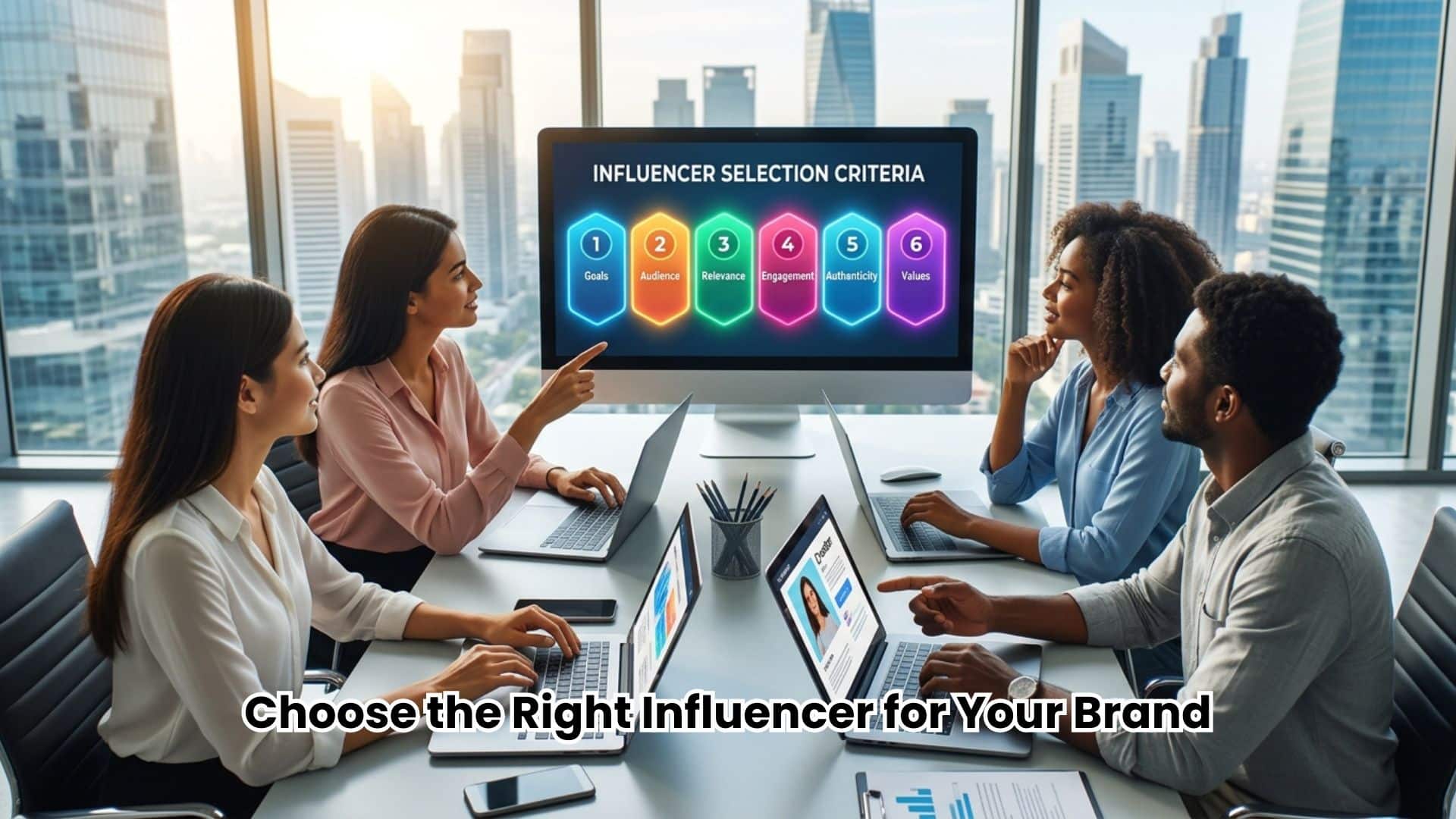
How to Choose the Right Influencer for Your Brand
Influencer marketing can help your brand reach new audiences, build trust and create genuine conversations around your products or services. However, choosing influencers is not simply about finding someone with a large following. The right influencer should connect with your audience, understand your brand and create content that feels natural.
Today, audiences often look beyond traditional advertising. They want recommendations that feel authentic and relevant. Therefore, choosing influencers carefully can make a significant difference to the success of your campaign. Whether you run a jewellery brand, a fashion business or work with a digital marketing agency, the right influencer can help turn attention into meaningful engagement and potential customers.
Start With Your Campaign Goals
Before choosing influencers, decide what you want your campaign to achieve. Your goal could be increasing brand awareness, promoting a new product, generating website traffic or encouraging sales. Each objective may require a different type of influencer.
For example, a fashion brand launching a new collection might focus on creators who produce styling content. Meanwhile, a beauty brand may benefit from influencers who regularly create tutorials and product reviews. Therefore, your campaign goal should guide your search from the beginning.
Once you understand your objective, establish measurable targets. You could track engagement, website visits, conversions, content reach or follower growth. As a result, you will have a clearer idea of whether your influencer campaign delivers the expected return.
Understand Your Target Audience
The best influencer means little if their audience does not match your customers. Consequently, understanding your target audience should remain a key part of choosing influencers.
Consider factors such as age, interests, location, purchasing habits and preferred social media platforms. Then, look at the type of content your potential customers already enjoy. This approach can help you identify influencers who naturally appeal to the people you want to reach.
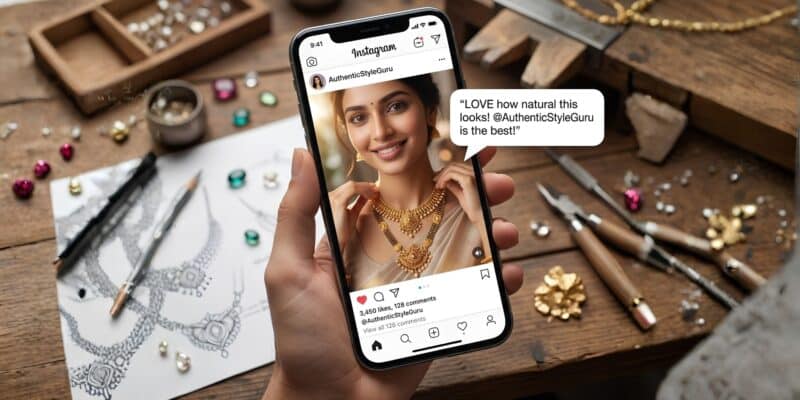
For instance, a jewellery business targeting customers interested in traditional and contemporary designs could work with creators who regularly discuss fashion, weddings or cultural styling. A brand offering a bespoke mangalsutra could also benefit from an influencer whose audience already engages with wedding jewellery content.
Look Beyond Follower Numbers
A large following may look impressive, but it does not automatically guarantee campaign success. Instead, pay close attention to engagement and audience quality.
Check how people respond to an influencer’s posts. Do followers leave meaningful comments? Do they ask questions? Does the creator respond to their audience? These signals can tell you much more than follower numbers alone.
Micro and nano influencers can also offer valuable opportunities. Although they usually have smaller audiences, they may have stronger relationships with their followers. Therefore, their recommendations can sometimes feel more personal and trustworthy.
Choosing influencers based on relevance and engagement rather than popularity can help your brand build stronger connections with potential customers.
Check Their Content Quality
Content quality plays an important role in influencer marketing. Before contacting a creator, review their recent posts, videos, captions and overall presentation.
Ask yourself whether their content reflects the quality and personality of your brand. If you sell premium jewellery, for example, you may want creators who produce polished, visually appealing content. However, that does not mean every post needs to look like a traditional advertisement.
Authenticity still matters. The influencer should have their own recognisable style while remaining capable of presenting your product professionally. Furthermore, check whether they tell stories, explain products clearly and create content that encourages interaction.
A creator who can naturally integrate your product into their usual content may deliver better results than someone who simply posts promotional material.
Check Audience Authenticity
Unfortunately, influencer marketing can involve fake followers and artificial engagement. Therefore, checking audience authenticity should form part of choosing influencers.
Look for unusual patterns in follower growth, engagement and comments. If an influencer has a very large following but receives unusually little genuine interaction, investigate further. Similarly, repeated generic comments may indicate low quality engagement.
You should also examine where the audience comes from. If your business operates in the UK, an influencer with most followers in another country may not provide the results you need.
A reliable influencer should have an audience that genuinely matches your target market. Consequently, audience quality can often matter more than audience size.
Consider Their Brand Values
Your influencer becomes an extension of your brand during a campaign. Therefore, their values, behaviour and public image can affect how people perceive your business.
Review their previous partnerships and the subjects they discuss online. Consider whether their communication style matches your brand personality. You should also check whether they have promoted competing products recently.
For example, a luxury jewellery company may want an influencer who communicates elegance and craftsmanship. On the other hand, a youthful lifestyle brand may prefer a creator with a relaxed and energetic personality.
Choosing influencers who genuinely align with your brand can make partnerships feel more natural. It can also reduce the risk of confusing your audience with inconsistent messaging.
Choose the Right Social Platform
Not every influencer performs equally well across every platform. Therefore, think about where your target customers spend their time before choosing influencers.
Instagram can work particularly well for fashion, jewellery, beauty and lifestyle brands because visual content plays a central role. TikTok can offer strong opportunities for short form videos and trend led campaigns. YouTube can work well when products require detailed demonstrations or reviews.
The key is to choose the platform based on your audience and campaign objectives. Instead of trying to appear everywhere, focus your resources on the channels that can provide meaningful results.
A suitable influencer on the right platform can create far more value than a popular creator whose audience rarely uses the channel where your campaign appears.
Review Previous Brand Partnerships
An influencer’s previous collaborations can provide useful insights before you make a decision. Look at the brands they have worked with and consider how naturally they presented those products.
Did the content generate meaningful engagement? Did followers appear interested in the product? Was the promotion consistent with the creator’s usual style?
Also, check how frequently they publish sponsored content. If almost every post promotes a different company, audiences may become less responsive to recommendations. However, occasional partnerships can feel more genuine.
If you work with a digital marketing agency, you can also use campaign data and audience research to compare potential creators more effectively. This can make choosing influencers a more strategic process rather than a decision based solely on personal preference.
Discuss Expectations Before Collaboration
Once you identify suitable influencers, communicate your expectations clearly. Discuss campaign objectives, content requirements, publishing dates, platforms and payment before the partnership begins.
However, avoid controlling every detail of the content. Influencers understand their audiences and know what type of communication works best for them. Give them clear brand guidelines while allowing enough creative freedom.
You should also agree on how you will measure success. For example, you might track engagement, clicks, sales or content views. Clear expectations can prevent misunderstandings and help both sides work towards the same objective.
Build Long Term Relationships
Influencer marketing does not always need to focus on one off campaigns. In fact, long term partnerships can create stronger results because audiences become familiar with the relationship between the creator and your brand.
When an influencer genuinely uses and recommends your products over time, their content can feel more credible. Consequently, followers may develop greater trust in the recommendation.
For example, a jewellery brand could work with the same creator across several seasonal campaigns, product launches and wedding related promotions. Over time, the influencer becomes more familiar with the brand story, products and audience.
Therefore, when choosing influencers, consider whether the creator could become a valuable long term partner rather than simply focusing on one campaign.
Final Thoughts
Choosing influencers requires more than checking follower numbers and selecting the most popular creator. You need to consider audience relevance, engagement, content quality, brand values, platform suitability and previous partnerships.
Most importantly, choose someone whose relationship with their audience feels genuine. The right influencer should make your brand feel like a natural part of their content rather than an interruption.
Whether you manage influencer campaigns independently or work with a digital marketing agency, a thoughtful selection process can help you reach the right people and build stronger brand awareness. Ultimately, choosing influencers based on relevance, authenticity and shared values can give your campaign a much better chance of creating lasting results.
FAQ
What does choosing influencers mean?
Choosing influencers means finding creators who have the right audience, content style, engagement and values for your brand. It involves looking beyond follower numbers to identify someone who can genuinely connect with your target customers.
How do I choose the right influencer for my brand?
Start by defining your campaign goals and target audience. Then, review potential influencers based on their engagement, content quality, audience demographics, brand values and previous collaborations. Choosing influencers who naturally fit your brand can make campaigns more authentic and effective.
Should I choose an influencer based on follower count?
Not necessarily. Follower numbers can provide useful context, but they do not always indicate campaign success. Micro and nano influencers can have highly engaged audiences and stronger personal relationships with their followers. Therefore, engagement and audience relevance often matter more than popularity alone.
What type of influencer is best for a jewellery brand?
A jewellery brand should consider influencers who regularly create fashion, wedding, lifestyle or beauty content. For example, a creator who discusses bridal styling could be a suitable choice for a brand promoting a bespoke mangalsutra or engagement ring.
Why is engagement important when choosing influencers?
Engagement shows how actively an influencer’s audience interacts with their content. Likes, comments, shares, saves and meaningful conversations can indicate that followers genuinely pay attention to the creator’s recommendations.