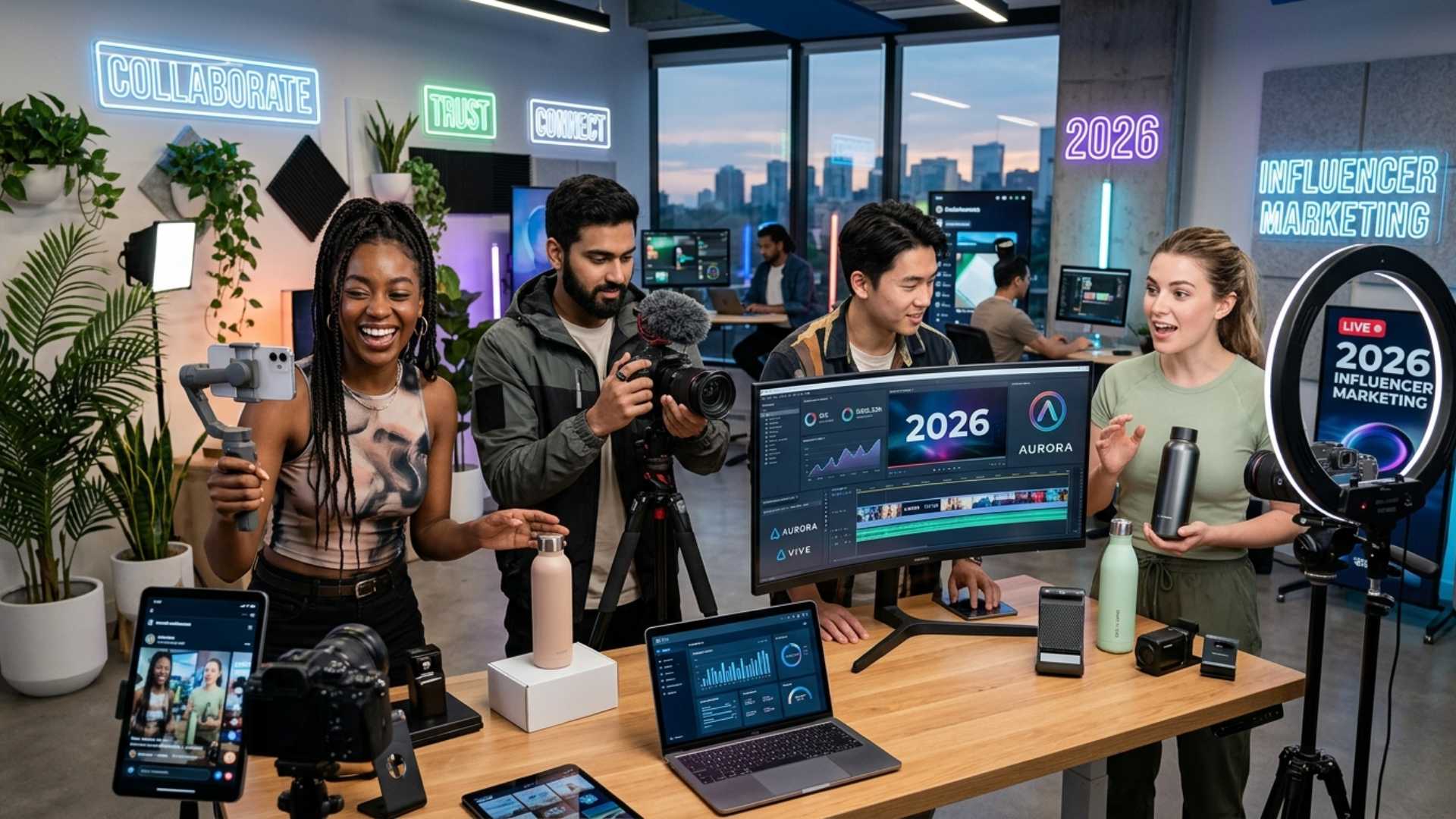
What Is Influencer Marketing and How Does It Work in 2026?
If you have spent even a little time online lately, you will have noticed how often people recommend products, services, or even lifestyles through social media. That is influencer marketing in action. It is no longer just a trend. In 2026, it has become one of the most effective ways for brands to connect with real audiences in a natural and engaging way.
At its core, influencer marketing is about collaboration. Brands partner with individuals who have built trust with a specific audience, whether that audience is in fashion, fitness, tech, parenting, or even niche spaces like eco-friendly living. Instead of traditional adverts that can feel forced, influencer marketing allows businesses to communicate through voices people already follow and trust.
Let us break it down in a way that feels simple and relevant to how things work today.
What Is Influencer Marketing?
Influencer marketing is a type of digital marketing where brands collaborate with content creators to promote products or services. These creators, often known as influencers, have built loyal communities on platforms like Instagram, TikTok, YouTube, and even LinkedIn.
The key difference between influencer marketing and traditional advertising is authenticity. People tend to trust recommendations from someone they follow more than a generic advert. When an influencer shares their experience with a product, it feels more like a recommendation from a friend rather than a sales pitch.
In 2026, influencer marketing is less about celebrity endorsements and more about genuine connections. Micro and nano influencers, who may have smaller followings, are often delivering better results because their audiences are more engaged and loyal.
How Influencer Marketing Works in 2026
The process has become more strategic and data driven than ever before. Brands are no longer simply paying influencers to post a photo. Instead, there is a full journey behind every campaign.
It usually begins with identifying the right influencer. This is not just about follower count. Brands now focus on audience demographics, engagement rates, content quality, and alignment with brand values. A fitness brand, for example, would benefit more from a trusted wellness creator than a general lifestyle influencer.
Once the right match is found, the collaboration begins. Influencers create content that fits naturally within their usual style. This could be a product review, a tutorial, a daily routine, or even a storytelling post that subtly includes the product.
For instance, a lifestyle influencer might casually include body wipes for adults, Wet wipes for men in their gym bag essentials video, making it feel relevant and practical rather than overly promotional.
The content is then shared across platforms, often supported by paid promotions to maximise reach. Brands also track performance through metrics such as engagement, clicks, conversions, and overall return on investment.
Why Influencer Marketing Is So Powerful Today

One of the main reasons influencer marketing continues to grow is trust. Audiences are becoming more selective about what they engage with. Traditional ads are easy to scroll past, but content from influencers feels more personal.
Another reason is relatability. Influencers often share real experiences, including both positives and challenges. This honesty resonates with audiences and builds credibility.
There is also the advantage of targeting. Influencers often cater to specific niches, which allows brands to reach the exact audience they want. Whether it is skincare enthusiasts, busy parents, or tech lovers, there is an influencer for almost every market.
In 2026, video content plays a huge role as well. Short form videos, live sessions, and behind the scenes content are driving deeper engagement than static posts ever did.
The Evolution of Influencer Marketing
Influencer marketing has changed significantly over the years. It started with celebrity endorsements, moved into the rise of bloggers and YouTubers, and has now evolved into a diverse ecosystem of creators across multiple platforms.
Today, authenticity matters more than perfection. Audiences prefer content that feels real, even if it is not highly polished. This shift has encouraged brands to give influencers more creative freedom.
Technology has also played a big role. Artificial intelligence and advanced analytics tools are now helping brands find the right influencers, predict campaign success, and measure results more accurately.
Even a London’s leading marketing agency or any modern digital marketing agency will tell you that influencer marketing is no longer optional. It is a key part of a well rounded marketing strategy.
Types of Influencers in 2026
Not all influencers are the same, and understanding the different types can help brands make better decisions.
Mega influencers and celebrities still have massive reach, but they are often expensive and less targeted. Macro influencers have large audiences and are useful for brand awareness.
Micro influencers, who typically have between ten thousand and one hundred thousand followers, are known for higher engagement rates. They often have a strong connection with their audience.
Nano influencers, with smaller but highly loyal communities, are becoming increasingly popular. Their recommendations often feel the most genuine, making them highly effective for niche products and local businesses.
Platforms That Matter Most
While Instagram and YouTube remain strong, TikTok continues to dominate in 2026, especially for younger audiences. Its algorithm allows content to go viral quickly, making it a powerful platform for influencer campaigns.
LinkedIn has also emerged as a surprising player, particularly for B2B influencer marketing. Professionals are now building personal brands and influencing purchasing decisions in their industries.
Meanwhile, emerging platforms and community based apps are creating new opportunities for brands to experiment and connect with audiences in fresh ways.
How Brands Measure Success
Success in influencer marketing is not just about likes and views anymore. Brands are looking at deeper metrics such as engagement rate, click through rate, and conversion rate.
Tracking tools and unique links make it easier to see how many people actually take action after seeing an influencer’s content. This could be making a purchase, signing up for a service, or simply visiting a website.
Long term partnerships are also becoming more common. Instead of one off posts, brands are working with influencers over several months to build stronger and more consistent messaging.
Challenges in Influencer Marketing
While influencer marketing offers many benefits, it is not without challenges. Finding the right influencer can take time and research. There is also the risk of choosing someone whose values do not align with the brand.
Transparency is another important factor. Audiences expect influencers to clearly disclose paid partnerships. This builds trust and ensures compliance with advertising standards.
Content saturation is also a growing issue. With so many collaborations happening, standing out requires creativity and a genuine connection with the audience.
The Future of Influencer Marketing
Looking ahead, influencer marketing will continue to evolve. We can expect more integration with technologies like virtual reality and augmented reality, allowing audiences to experience products in new ways.
There will also be a greater focus on community building rather than just content creation. Influencers who can create meaningful interactions and foster loyal communities will be the most valuable partners for brands.
Sustainability and ethical practices will also play a bigger role. Audiences are becoming more conscious of the brands they support, and influencers will need to reflect these values.
Building Trust, Stories, and Real Connections
Influencer marketing in 2026 is all about authenticity, strategy, and connection. It is no longer just about promoting products. It is about telling stories, building trust, and creating meaningful experiences for audiences.
Whether you are a small business or an established brand, embracing influencer marketing can open up new opportunities for growth. By choosing the right influencers and focusing on genuine engagement, you can turn this powerful tool into a key driver of success.
FAQ
Why is influencer marketing so popular in 2026?
Influencer marketing continues to grow because audiences trust real people more than traditional adverts. It feels more personal, relatable, and engaging, which makes it highly effective for brands looking to build genuine connections.
What types of influencers are best for small businesses?
Micro and nano influencers are often the best choice for small businesses. They have smaller but highly engaged audiences, which can lead to better interaction and higher conversion rates compared to larger influencers.
How do brands choose the right influencer?
Brands look at more than just follower numbers. They consider audience demographics, engagement rates, content style, and whether the influencer’s values align with the brand. The right fit is key to a successful influencer marketing campaign.
Which platforms are best for influencer marketing in 2026?
TikTok, Instagram, and YouTube remain the top platforms, while LinkedIn is becoming increasingly important for professional and B2B campaigns. The best platform depends on where your target audience spends their time.
How do you measure success in influencer marketing?
Success is measured through metrics like engagement rate, clicks, conversions, and return on investment. Brands also look at long term brand awareness and customer trust.
Is influencer marketing suitable for every industry?
Yes, influencer marketing can work for almost any industry. From fashion and beauty to finance and technology, there are influencers in nearly every niche who can help brands reach their audience effectively.