
Why Premium Wellness Equipment Needs Trust-Based Digital Marketing
For online health retailers and wellness product brands, premium wellness equipment needs more than attractive product photography. Customers are not simply choosing a stylish item; they are making a high-consideration purchase that may affect their routine, comfort, recovery goals or family wellbeing. That means digital marketing must build trust before it asks for the sale.
This is especially important because buyers often compare specifications, reviews, safety information, delivery details, after-sales support and brand credibility before they commit. Online retail remains a major part of UK shopping behaviour, with the ONS tracking internet sales as a percentage of total retail sales through its Retail Sales Index.
Why Premium Wellness Equipment Marketing Must Start With Trust
A customer buying premium wellness equipment is usually not acting on impulse. They may be comparing brands over several days or weeks, speaking with family members, reading product education and checking whether the supplier feels credible.
Trust-based marketing helps reduce that hesitation. It explains what the product does, who it may suit, what it does not do, how it should be used and what support is available after purchase. That clarity is especially important for products linked to recovery, wellness, oxygen therapy, light therapy, home fitness or relaxation.
The tone also matters. Overly aggressive claims can make a product feel less trustworthy. A premium buyer wants confidence, not pressure. Clear explanations, responsible language and transparent buying guidance often do more for conversion than exaggerated promises.
Product Education Is the Core of Health Product Marketing
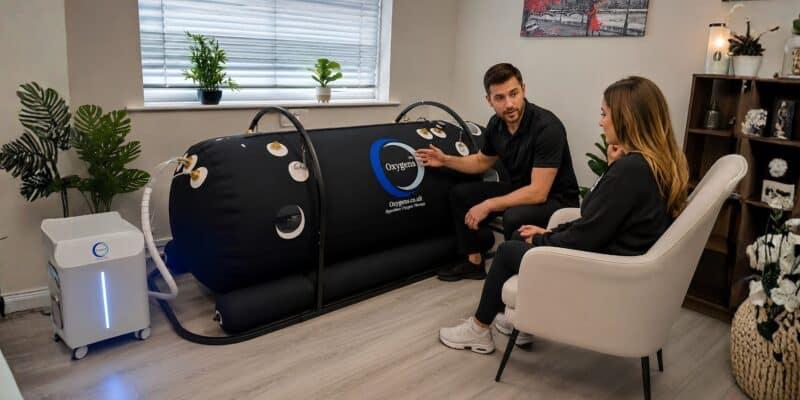
The more complex the product, the more education the customer needs. For premium wellness equipment, product education should sit across the whole website, not only on one product page.
A good product page should explain features, dimensions, materials, setup, maintenance, delivery, warranty, suitability and support. It should also answer the questions a buyer would ask in a showroom.
Educational content can include comparison guides, first-use explainers, installation advice, safety considerations, maintenance tips and realistic expectation guides. These pages help customers make informed decisions and help search engines understand the topic more clearly.
Google’s SEO Starter Guide explains that SEO is about helping search engines understand content and helping users find a site and decide whether to visit it. For premium products, that means useful, specific information is not just helpful for customers; it also supports visibility.
For example, a buyer considering a home hyperbaric chamber may want to understand space requirements, comfort, support, features and responsible usage guidance before making an enquiry or purchase.
Responsible Claims Protect the Brand and the Customer
Trust-based digital marketing is not only about better sales. It also protects the brand from weak claims. Wellness and health-related products need careful wording because customers may interpret vague benefits as medical promises.
The ASA’s CAP Code section on medicines, medical devices, health-related products and beauty products states that this category receives a high level of scrutiny. That means marketing should avoid claims that cannot be supported, especially where health outcomes are implied.
The safest approach is to explain the product honestly. Instead of promising transformation, describe the experience, intended use, product features, support process and what customers should consider before buying.
This does not make marketing less persuasive. In fact, it often makes the brand stronger. Customers trust businesses that are clear about benefits and limits. When a brand sounds measured and professional, the product feels more credible.
Building Online Visibility Without Losing Credibility
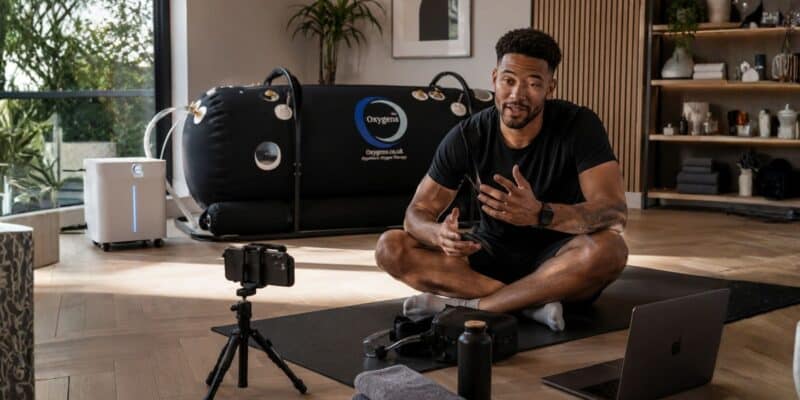
SEO, paid ads and social media can all support health product marketing, but each channel needs the right message. Premium wellness equipment should not be promoted with vague lifestyle claims alone. The content needs depth.
Search pages should be built around buyer intent. Some customers search for product types, while others search for features, comparisons, price guidance or home suitability. Each page should answer that intent directly.
Paid advertising should lead to relevant landing pages, not a generic homepage. If the advert promotes a specific product category, the landing page should explain that category clearly, show trust signals, answer objections and provide a simple next step.
Social media should show the product in realistic use. Demonstrations, unboxing content, setup clips, feature explanations and customer education can all help buyers picture the product in their own home.
A specialist digital marketing agency can help turn technical product information into clear content, SEO pages and campaigns that feel persuasive without becoming overclaimed.
Actionable Advice: Create a Trust-Based Growth System
Start by reviewing the product page. Does it answer the buyer’s real questions, or does it only describe benefits? For premium wellness equipment, the page should include specifications, setup guidance, usage context, warranty information, delivery details, support options and clear suitability notes.
Next, create educational content around the decision journey. Useful topics include how to choose the right model, what features matter most, where the product can be placed, what maintenance involves and what questions to ask before buying.
Then strengthen trust signals. Add genuine reviews, transparent policies, clear contact options, after-sales support details, delivery information and professional product photography. For higher-value products, reassurance is often as important as the product itself.
After that, set up tracking. Measure product page views, enquiry forms, calls, live chat, checkout starts, purchases, returning visitors and assisted conversions. Traffic alone is not enough; the goal is qualified interest and confident purchasing.
Finally, connect every channel. SEO, product education, paid ads, email, social media and landing pages should support the same message. A digital marketing agency can help align these pieces so the customer journey feels consistent from first discovery to final purchase.
Common Mistakes Premium Wellness Brands Make Online
One common mistake is relying too heavily on lifestyle imagery. Beautiful visuals matter, but they cannot replace product detail, responsible claims and clear support information.
Another mistake is hiding important buying information. If customers cannot quickly find delivery, warranty, sizing, setup or support details, they may hesitate or leave.
Some brands also overuse broad wellness language. Words such as “optimise”, “transform” and “revolutionise” can feel weak unless they are supported by specific evidence or useful explanation.
A final mistake is treating marketing and customer service separately. For premium wellness equipment, after-sales confidence is part of the sale. Buyers want to know help is available after the product arrives.
Trust Is the Real Premium Advantage
The brands that grow strongest in this market do not simply look premium. They explain clearly, sell responsibly and support customers properly. Trust becomes the advantage that separates a serious wellness retailer from a trend-led product seller.
For online health retailers and product brands, premium wellness equipment should be marketed with education, transparency and measured confidence. When customers understand the product, believe the supplier and feel supported after purchase, they are far more likely to buy.
A strong digital strategy does not make the product louder. It makes the decision easier, safer and more reassuring.
FAQ
Why does premium wellness equipment need trust-based marketing?
It needs trust-based marketing because customers are making considered purchases that often involve health, comfort, safety, support and long-term value. Clear information helps reduce uncertainty before buying.
How can wellness product brands build customer trust online?
They can build trust through detailed product pages, clear specifications, responsible claims, genuine reviews, transparent policies, professional photography, easy contact options and strong after-sales support.
What content should a wellness equipment brand create?
Useful content includes product comparison guides, feature explainers, setup advice, maintenance tips, first-use guides, buyer checklists and realistic expectation articles.
Why is SEO important for premium wellness products?
SEO helps product brands appear when customers search for specific equipment, features, comparisons and buying guidance. It captures people who are already researching a purchase.
Should premium wellness brands use paid ads?
Yes, paid ads can work well when the landing page is clear, the claims are responsible and the customer journey answers practical buying questions.
What is the biggest mistake in health product marketing?
The biggest mistake is making broad or exaggerated claims without enough explanation. Premium buyers usually respond better to clear product education, evidence-led language and visible support.