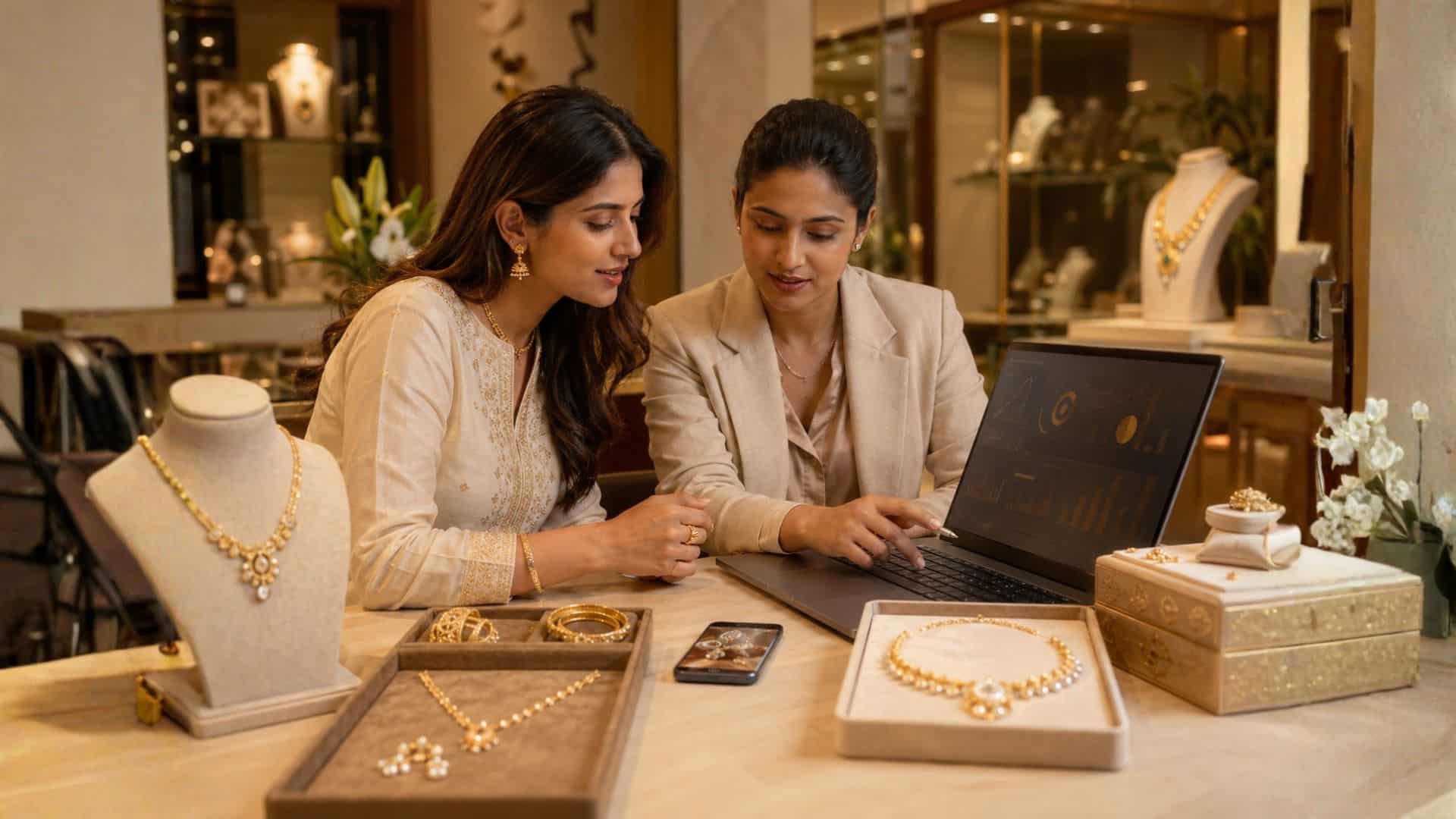
How Bespoke Jewellery Brands Can Build Demand for Modern Cultural Pieces
For bespoke jewellers, cultural jewellery brands and luxury retailers, bespoke jewellery marketing is about more than showing beautiful products. Modern cultural jewellery buyers want pieces that respect tradition while fitting contemporary lifestyles. They compare design meaning, craftsmanship, quality, wearability, reviews and brand credibility before they enquire.
That makes demand-building more delicate than ordinary product promotion. A customer may love the idea of a custom cultural piece, but still need reassurance around the design process, materials, consultation journey, pricing expectations and aftercare. Strong bespoke jewellery marketing helps turn that uncertainty into confidence.
Digital visibility also matters because customers now research extensively before contacting a jeweller. The UK had 55.5 million social media user identities in October 2025, equivalent to 79.7% of the population, showing how social discovery continues to shape brand awareness for lifestyle and retail categories.
Why Bespoke Jewellery Marketing Needs a Clear Cultural Position
Bespoke jewellery marketing starts with positioning. A brand needs to define whether it is known for bridal heirlooms, modern heritage jewellery, everyday cultural luxury, custom gifting or family-led occasion pieces. Without that clarity, the brand may look premium but still feel hard to understand.
Modern jewellery branding should explain the balance between tradition and personal style. Some customers want pieces that feel culturally rooted. Others want lighter, minimal, wearable designs that still carry meaning. The strongest brands show both respect and relevance.
This is especially important for custom jewellery SEO. Searchers are often looking for a specific style, occasion or design problem. Your website should make it obvious who the jewellery is for, what can be customised and how the process works.
Build Demand Through Product Meaning and Education
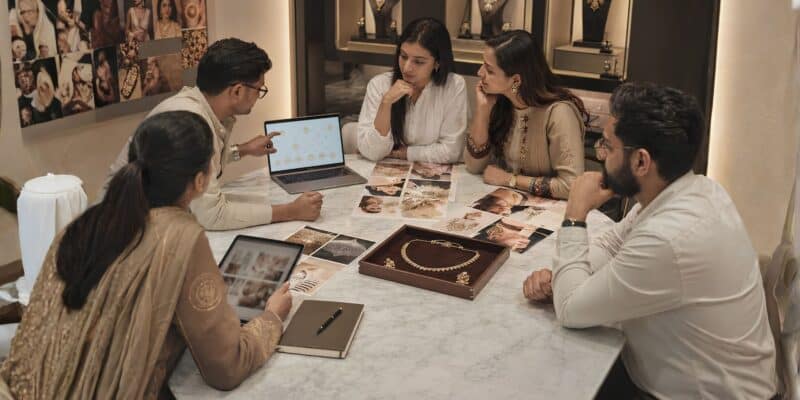
Modern cultural pieces need more than a product title and price. A customer may want to understand the symbolism, the styling options and how the design fits different outfits or ceremonies. This is where bespoke jewellery marketing can create real demand.
For example, a page featuring bespoke modern mangalsutras should explain design style, gold quality, everyday wearability, occasion use and custom options. A buyer may be choosing between traditional sentiment and modern comfort, so the content should support both.
Google’s SEO Starter Guide says SEO helps search engines understand content and helps users find a site and decide whether to visit it. For jewellery brands, that means collection pages and guides should answer real customer questions rather than relying on vague luxury wording.
Product structured data can also support ecommerce visibility. Google notes that product information such as price, availability, review ratings and shipping details can appear in richer ways in Search when structured data is implemented correctly.
Turn Social Proof Into Trust
Trust is central to bespoke jewellery marketing because custom work asks customers to believe in a process before they see the final piece. Reviews, consultation stories, before-and-after design journeys and customer images can all help reduce hesitation.
Testimonials should be used carefully. ASA guidance says marketers must hold evidence that testimonials are genuine, and claims in endorsements should not mislead consumers. This matters when jewellery brands use customer feedback to support high-value purchases.
Good social proof should be specific. Instead of only saying “great service”, useful testimonials mention design guidance, communication, quality, delivery, fitting or the emotional value of the finished piece.
A specialist digital marketing agency can help structure these trust signals across landing pages, social campaigns and SEO content so the brand feels credible at every stage.
Use Social Media to Make Custom Pieces Feel Desirable
Social media is powerful for luxury jewellery growth because it shows movement, scale and detail. A custom necklace, bangle or cultural bridal piece becomes more desirable when customers see it worn naturally, styled with outfits or shown under soft lighting.
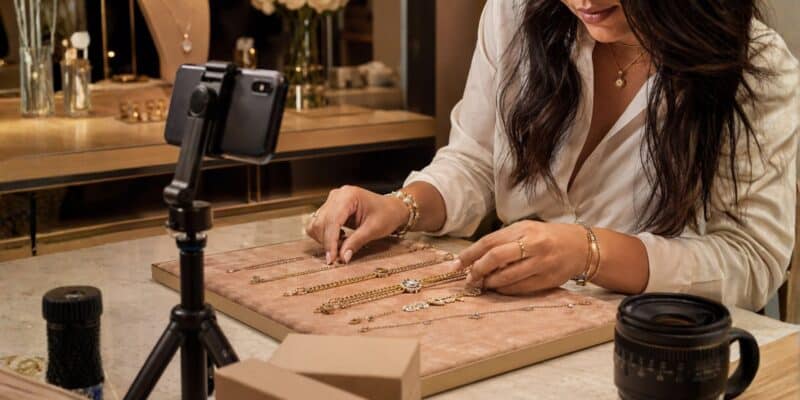
For bespoke jewellery marketing, content should show the journey as well as the finished piece. Post design inspiration, gemstone selection, sketching, packaging, consultations and styling clips. This helps customers imagine the experience before they enquire.
Short-form video is especially useful for modern cultural pieces. It can show how a piece sits on the body, how it reflects light and how it blends heritage with contemporary styling.
Create Demand Before the Enquiry
Start by building a clear custom jewellery page. Explain the consultation process, design timeline, material options, deposit expectations, communication steps and what customers receive after the piece is completed.
Next, create collection pages around demand, not only product type. Pages can focus on bridal cultural jewellery, modern heritage pieces, luxury gifts, family occasion jewellery or everyday meaningful designs.
Then use content to answer hesitation. Useful topics include how bespoke jewellery works, how to modernise cultural jewellery, how to choose gold pieces for daily wear, and what to ask before a custom consultation.
After that, connect social content to landing pages. A Reel showing a modern cultural piece should lead to a relevant page, not just the homepage. A digital marketing agency can help align content, search intent and conversion tracking into one growth system.
Finally, measure actions that show real demand. Track enquiries, WhatsApp clicks, consultation bookings, product page views, returning visitors and assisted conversions.
Common Mistakes Bespoke Jewellery Brands Make Online
One common mistake is assuming beautiful jewellery will sell itself. Strong visuals matter, but customers also need process details, trust signals and buying guidance.
Another mistake is making cultural pieces look too generic. If the content does not explain meaning, styling or customisation, the product may feel like ordinary fashion jewellery.
Some brands also hide prices or consultation steps without giving enough context. Luxury buyers may accept bespoke pricing, but they still want to understand the journey.
A final mistake is relying only on Instagram. Social content can create desire, but SEO, website credibility and clear landing pages are what turn interest into qualified enquiries.
Building Demand With Meaning and Modernity
The strongest bespoke cultural brands grow because they make customers feel understood. They respect tradition, but they also show how jewellery can feel personal, wearable and modern.
Bespoke jewellery marketing works best when it combines emotion with clarity. The customer should understand the meaning of the piece, the quality of the craftsmanship and the steps involved in creating it.
For cultural jewellery brands and luxury retailers, bespoke jewellery marketing is not just about attracting attention. It is about building demand before the enquiry, so the right customers arrive already informed, inspired and ready to talk.
FAQ
What is bespoke jewellery marketing?
Bespoke jewellery marketing is the process of promoting custom jewellery through SEO, content, social media, paid campaigns, trust signals and clear consultation journeys.
How can bespoke jewellery brands build more demand online?
They can build demand by explaining their design process, showing real product detail, creating educational content, improving SEO pages and using social media to show the customer journey.
Why is cultural jewellery marketing different?
Cultural jewellery marketing needs more sensitivity because customers often care about tradition, family meaning, ceremony, styling and long-term wearability as well as appearance.
What should bespoke jewellers post on social media?
They should post design inspiration, finished pieces, styling clips, consultation content, craftsmanship, packaging, customer stories and educational videos about materials or custom options.
How does SEO help custom jewellery brands?
SEO helps custom jewellery brands appear when customers search for specific styles, cultural pieces, bridal jewellery or design services. It captures interest from people already researching.
How can a jewellery website increase enquiries?
A website can increase enquiries by explaining the custom process, showing trust signals, using strong photography, answering common questions and making contact or consultation booking easy.